
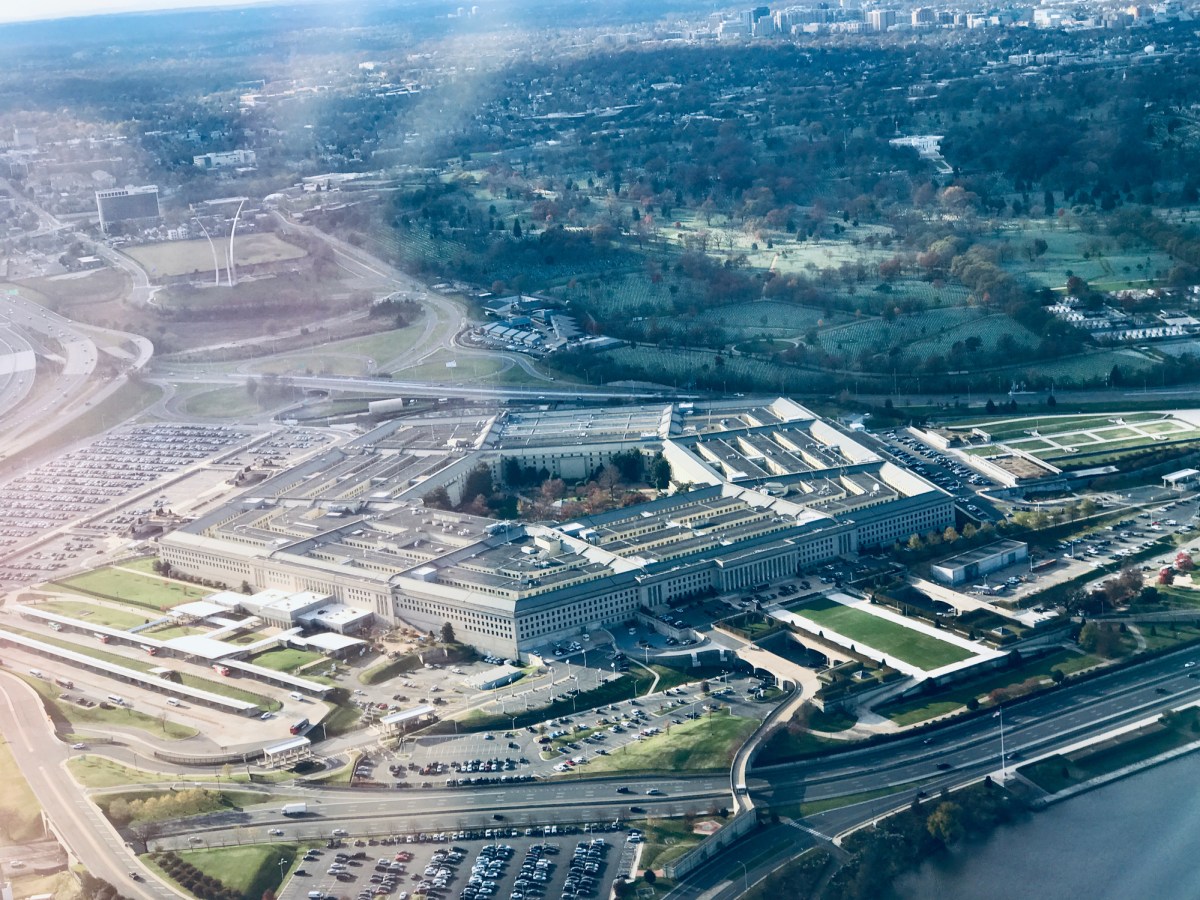
Pentagon Signs AI Deals with Nvidia, Microsoft, AWS
The U.S. Defense Department announced new agreements on Friday with Nvidia, Microsoft, Amazon Web Services, and Reflection AI. These pacts permit the deployment of their artificial intelligence technologies and models on classified networks. The goal supports lawful operational use by military personnel.
The Defense Department statement highlights how these contracts speed up changes to position the U.S. military as one that prioritizes AI. They aim to boost service members' capacity to hold decision advantages in every area of combat.
Shift from Past Vendor Issues
These latest deals reflect the Pentagon's efforts to broaden its AI suppliers. This move follows a public falling out with Anthropic regarding terms for using its AI models. Officials sought full access without limits, while Anthropic required safeguards. Those protections blocked use in domestic mass surveillance or autonomous weapons systems.
The dispute now heads to court. In March, Anthropic secured an injunction. That ruling stopped the Pentagon from labeling the firm as a supply-chain risk.
Nvidia, known since its 1993 founding for graphics processing units essential to AI training and inference, joins other major players. Microsoft provides cloud services through Azure and collaborates closely with AI developers. Amazon Web Services leads in cloud computing and holds significant government contracts, including past DoD cloud initiatives. Reflection AI adds to this mix with its specialized offerings.
Earlier agreements involved Google, with its vast AI research via DeepMind and cloud platforms; SpaceX, led by Elon Musk and focused on space tech with military applications; and OpenAI, creator of advanced language models.
Focus on Vendor Diversity
The department plans to develop systems that avoid dependence on single AI providers. This approach promises ongoing adaptability for joint military operations. A wide range of AI options from strong U.S. tech firms equips troops to make assured choices. It also helps protect the country from various dangers.
Stay ahead of the AI curve
The most important updates, news, and content — delivered weekly.
No spam. Unsubscribe anytime.
Secure Deployment Plans
The AI hardware and models from these companies will operate in Impact Level 6 and Impact Level 7 settings. These classify as top-tier security for data and systems vital to national defense. Protections include physical barriers, tight access rules, and regular checks.
Such environments support tasks like combining data sources, improving grasp of situations, and supporting choices by fighters.
Widespread Internal Use
Over 1.3 million Defense Department staff have accessed the secure platform called GenAI.mil. It offers generative AI tools, including large language models and others, in approved cloud setups. The system mainly handles unclassified work such as research efforts, writing documents, and examining data.
This platform marks a step in integrating AI safely within government operations. It builds on broader trends where federal agencies adopt AI for efficiency while upholding security standards.
The Pentagon's actions show a commitment to AI across operations, balancing innovation with risk management through multiple partnerships.