
Apple Settles iPhone AI Lawsuit with $250M Payout
Apple will compensate certain US iPhone customers with a total of $250 million, or about £184 million. This settlement ends a legal dispute that charged the company with giving false information about artificial intelligence features on its devices.
The agreement went before a federal court in California on Tuesday. Apple made no admission of fault. It covers a major class action case brought forward last year by groups of buyers.
Details of the Payout
People in the United States who purchased an iPhone 15 or iPhone 16 from June 2024 through March 2025 qualify for payments. Each eligible buyer stands to receive between $25 and $95.
A representative for Apple pointed out that the case involved just two extra features among many introduced in the Apple Intelligence update. She stated, "We resolved this matter to stay focused on doing what we do best, delivering the most innovative products and services to our users."
Claims from the Plaintiffs' Lawyers
The lawyers wrote that Apple pushed capabilities that were not ready at launch time. They do not work today either. Such functions might not arrive for at least two years, or possibly never. All this came while the company presented them as major advances.
This push into AI served as Apple's way to join the competition among large technology firms. New players like OpenAI and Anthropic lead the charge in this area.
Apple has faced questions about its pace of new ideas under departing CEO Tim Cook. Critics have said for years that the company lags in fresh product development.
Stay ahead of the AI curve
The most important updates, news, and content — delivered weekly.
No spam. Unsubscribe anytime.
Promises Around Siri and Apple Intelligence
Apple marketed Apple Intelligence as a big step for iPhone users. It promised a much improved Siri. The goal was to change Siri from a basic voice tool into a complete personal AI helper.
Plaintiffs said these claims did not hold up. The iPhone 16 reached customers without Apple Intelligence features. Enhanced Siri also failed to appear as advertised.
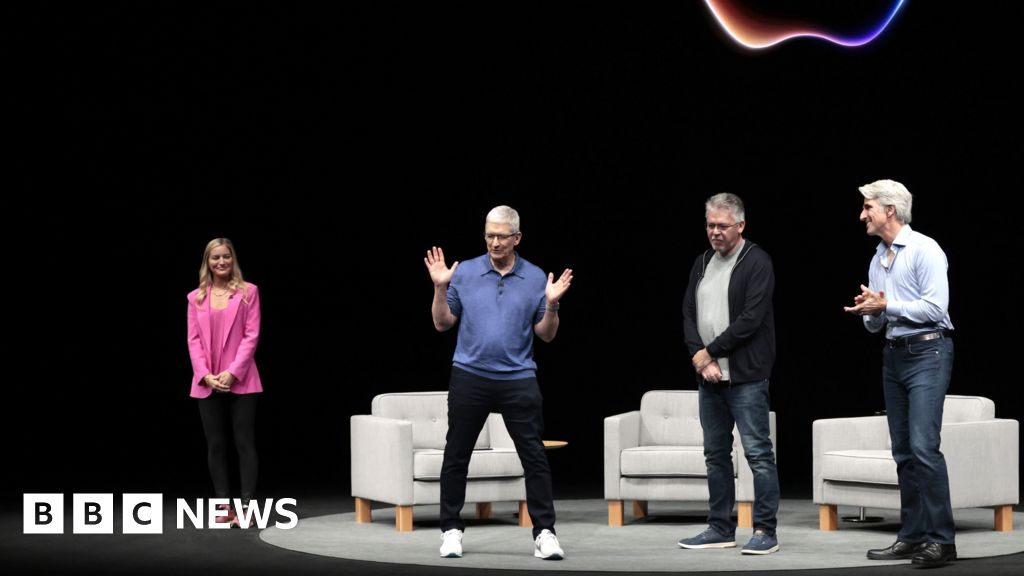
Apple announced Apple Intelligence at its Worldwide Developers Conference in June 2024. The company positioned it as a key update for newer iPhones. It aimed to bring on-device AI processing for privacy and speed. However, rollout delays hit some promised tools, fueling the legal challenge.
Tim Cook, who became CEO in 2011 after Steve Jobs, has overseen Apple's growth into the world's most valuable company. Revenue topped $383 billion in fiscal 2023. Yet, rivals have grabbed attention with rapid AI releases, like OpenAI's ChatGPT in late 2022 and Anthropic's Claude models.
Apple's moves reflect efforts to integrate AI across its ecosystem, including iOS updates and partnerships. The settlement avoids a full trial, letting the company move past the issue.
This case highlights tensions in tech advertising. Companies race to claim AI leadership, but delivery timelines often slip. iPhone sales remain strong, with over 200 million units shipped yearly.