
Back to Blog googleiochallenge
 gemma
gemma community
 ai
ai ai
ai githubactions
 ai
ai
Android XR Felt Like the Future Until You Notice the Catch
Touhidul Islam Protik May 24, 2026
0 views
The most interesting part of Google I/O 2026 wasn’t Gemini. It was the moments where screens...
The most interesting part of Google I/O 2026 wasn’t Gemini.
It was the moments where screens disappeared entirely.
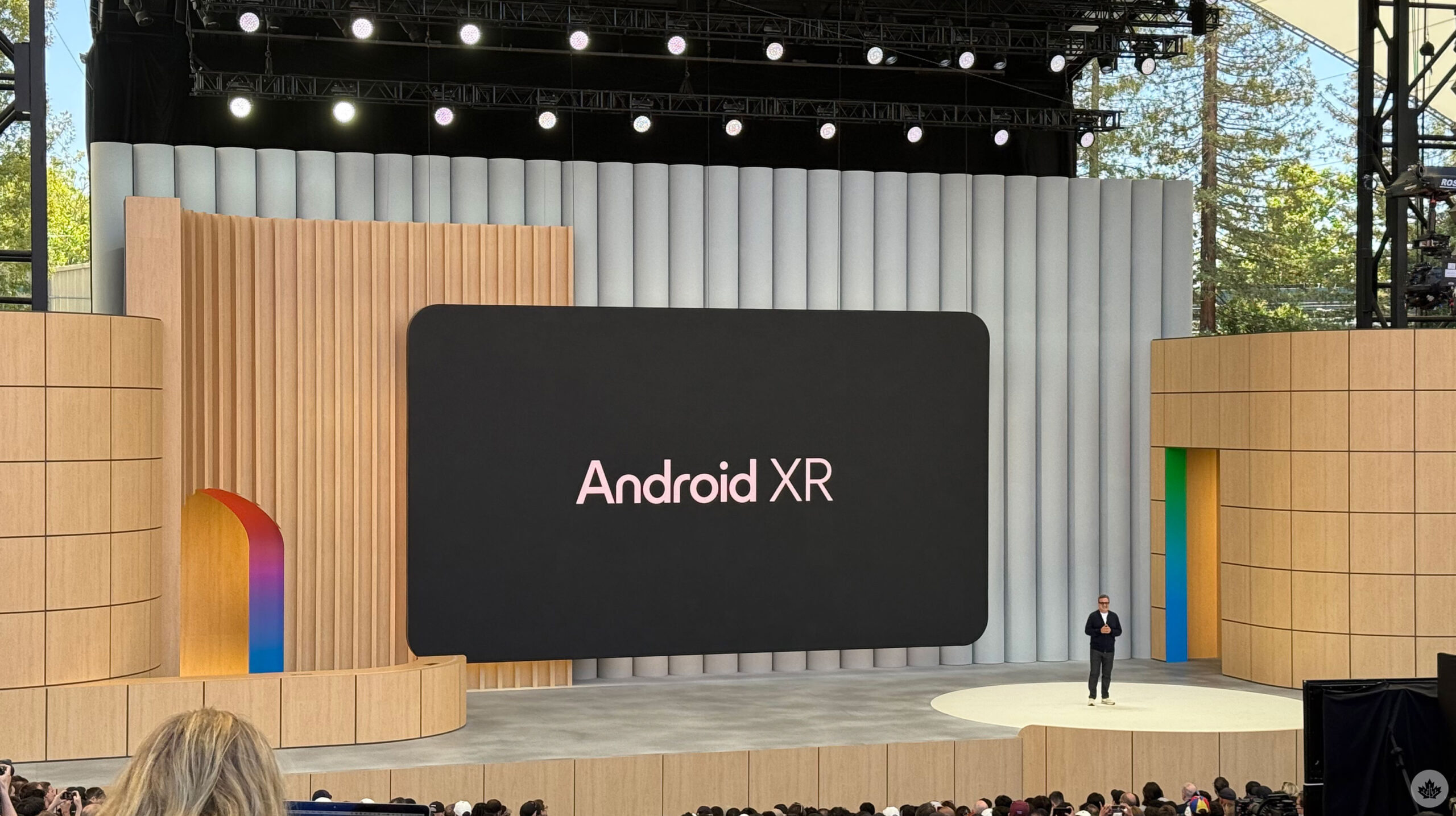
Google’s Android XR demos showed assistants:
- seeing environments
- remembering visual context
- responding conversationally
- interpreting physical surroundings
- maintaining continuity across movement and time
Most reactions focused on the hardware.
I think the real story was something else entirely:
ambient computing only works if systems can understand incomplete human behavior continuously without becoming exhausting.
And that turns out to be an incredibly difficult design problem.
Previous Smart Assistants Mostly Waited
Older digital assistants were reactive by design.
You activated them. You asked something. They responded. The interaction ended.
That structure created clear boundaries.
The system remained dormant until explicitly invoked.
Android XR changes that relationship.
The assistant increasingly exists as:
- persistent perception
- continuous contextual awareness
- low-friction conversational presence
The system isn’t waiting for isolated prompts anymore.
It’s monitoring environments continuously for relevance.
That sounds futuristic.
It also creates a very strange UX challenge.
Contextual Awareness Sounds Better Than It Feels
In demos, ambient AI appears almost magical.
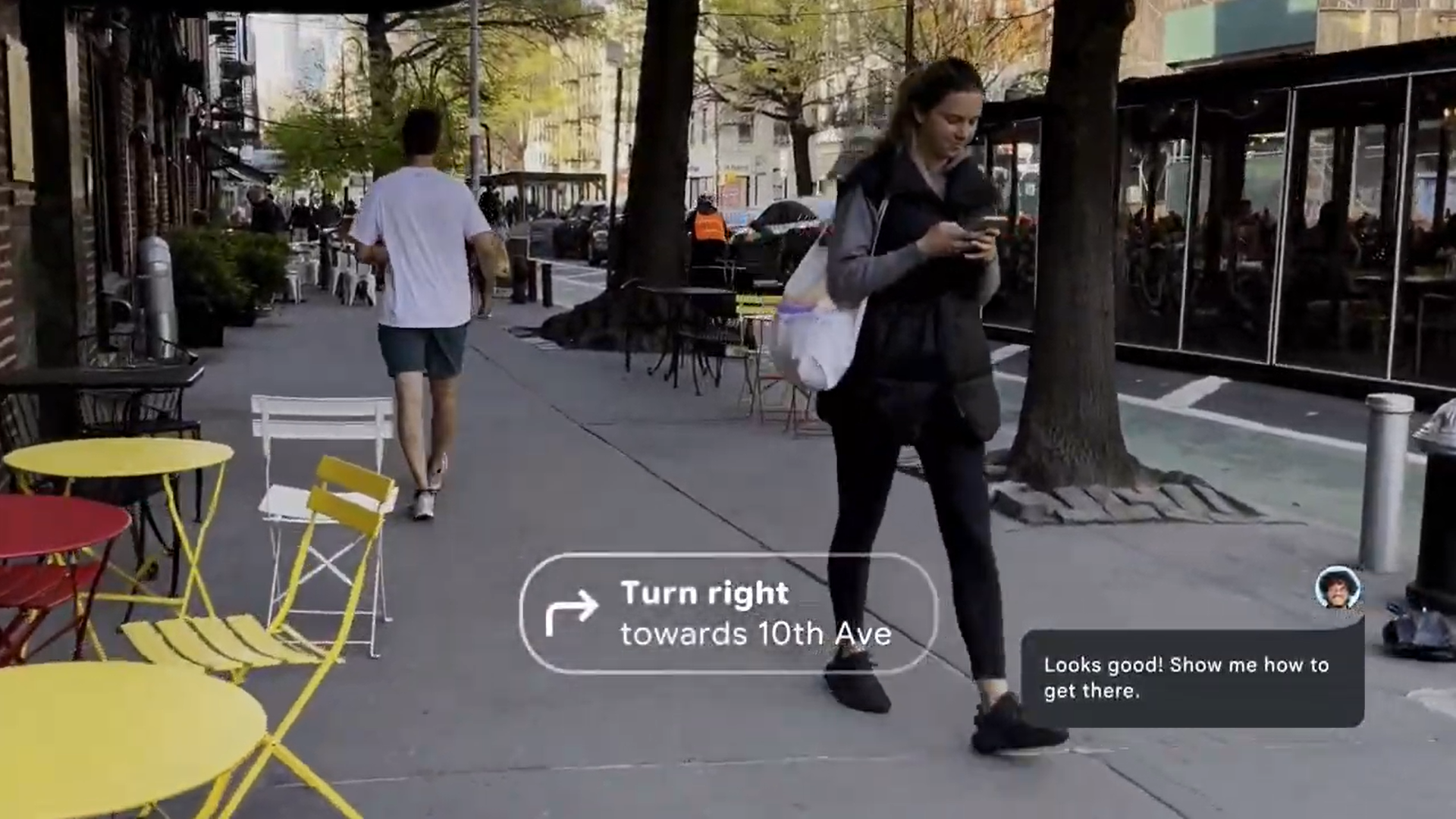
You glance at a building. The assistant identifies it instantly.
You ask about an object. The system remembers earlier visual context.
You continue a conversation while walking between environments. The assistant maintains continuity naturally.
The interaction feels fluid because demos remove the hardest part:
human unpredictability.
Real life contains:
- interruptions
- sarcasm
- fragmented speech
- changing intentions
- social ambiguity
- unfinished thoughts
- overlapping priorities
Humans navigate this instinctively.
Persistent AI systems cannot rely on instinct.
They rely on inference.
That difference matters enormously.
Android XR Quietly Depends on Perpetual Interpretation
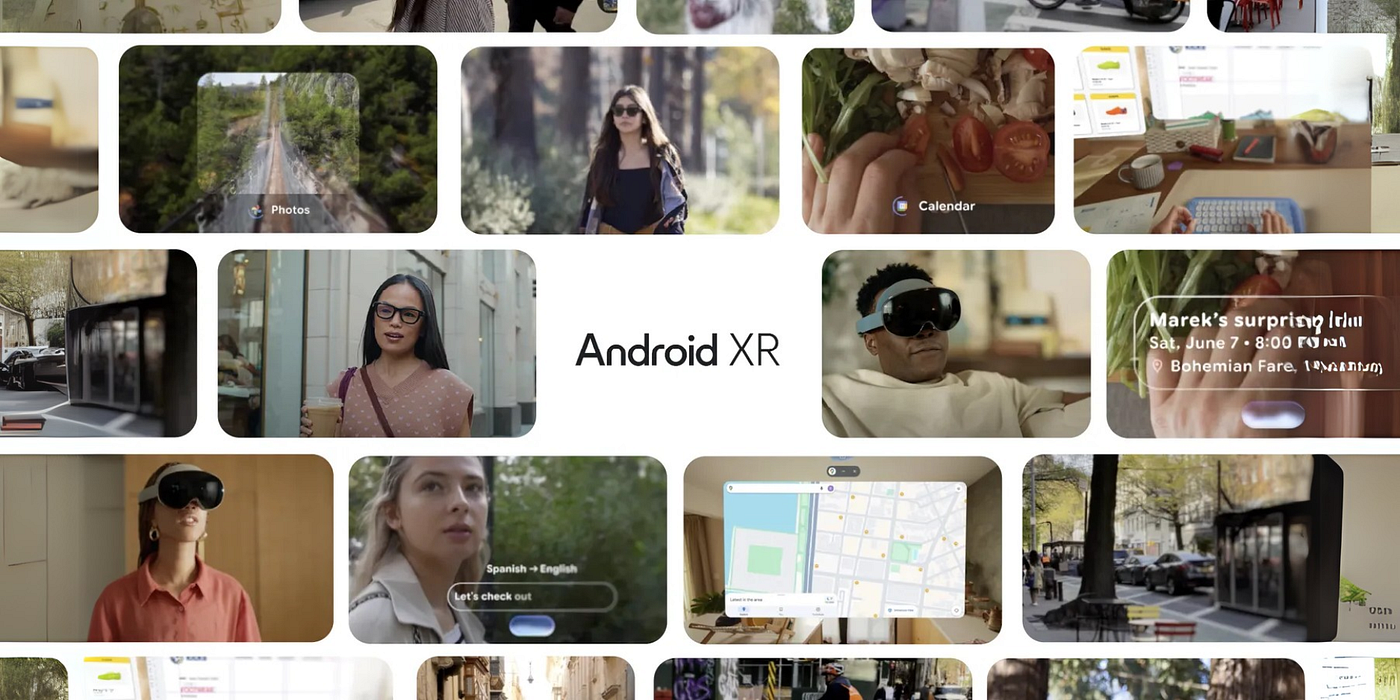
This is the architectural shift I don’t think enough people are discussing.
Traditional apps mostly interpret direct input.
Buttons. Text. Gestures.
Ambient systems interpret:
- gaze
- spatial positioning
- conversational timing
- environmental context
- object relationships
- behavioral continuity
continuously.
That creates a much denser inference problem than standard interaction models.
The system must constantly estimate:
- what matters
- what can be ignored
- when to interrupt
- when to remain silent
- whether context is still relevant
- whether ambiguity requires clarification
Poor judgment here doesn’t merely feel buggy.
It feels socially intrusive.
The Biggest Problem Isn’t Intelligence
It’s Restraint
Most AI discussions still revolve around capability.
Better reasoning. Better memory. Better generation.
But ambient systems fail differently.
An assistant doesn’t become useful simply because it can respond.
It becomes useful when it understands:
when not to respond.
That’s much harder.
Because conversational timing contains enormous invisible social complexity:
- attention signaling
- interruption tolerance
- emotional context
- cognitive load
- environmental appropriateness
Humans calibrate this subconsciously.
Machines don’t.
At least not reliably.
Smart Glasses Create “Attention Competition”
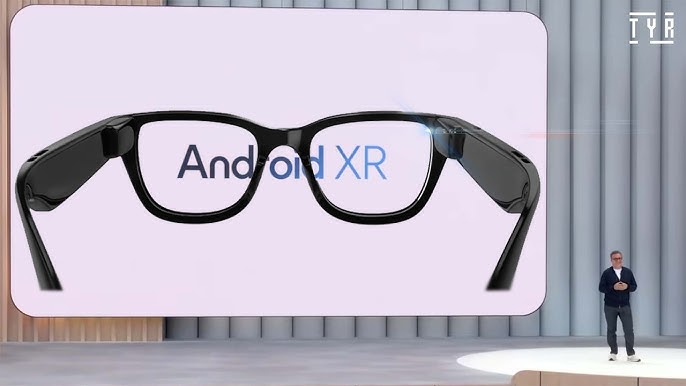
Phones already compete aggressively for attention.
XR systems risk becoming even more psychologically invasive because they exist directly inside perceptual space.
Notifications no longer sit in pockets.
They exist near vision itself.
That changes cognitive dynamics entirely.
Every ambient interface decision suddenly affects:
- focus fragmentation
- conversational presence
- social engagement
- visual fatigue
- mental recovery cycles
The UI stops being separated from reality.
It overlays reality directly.
And honestly, I think the industry still lacks mature design language for handling that responsibly.
Google’s Demos Felt Extremely Carefully Choreographed
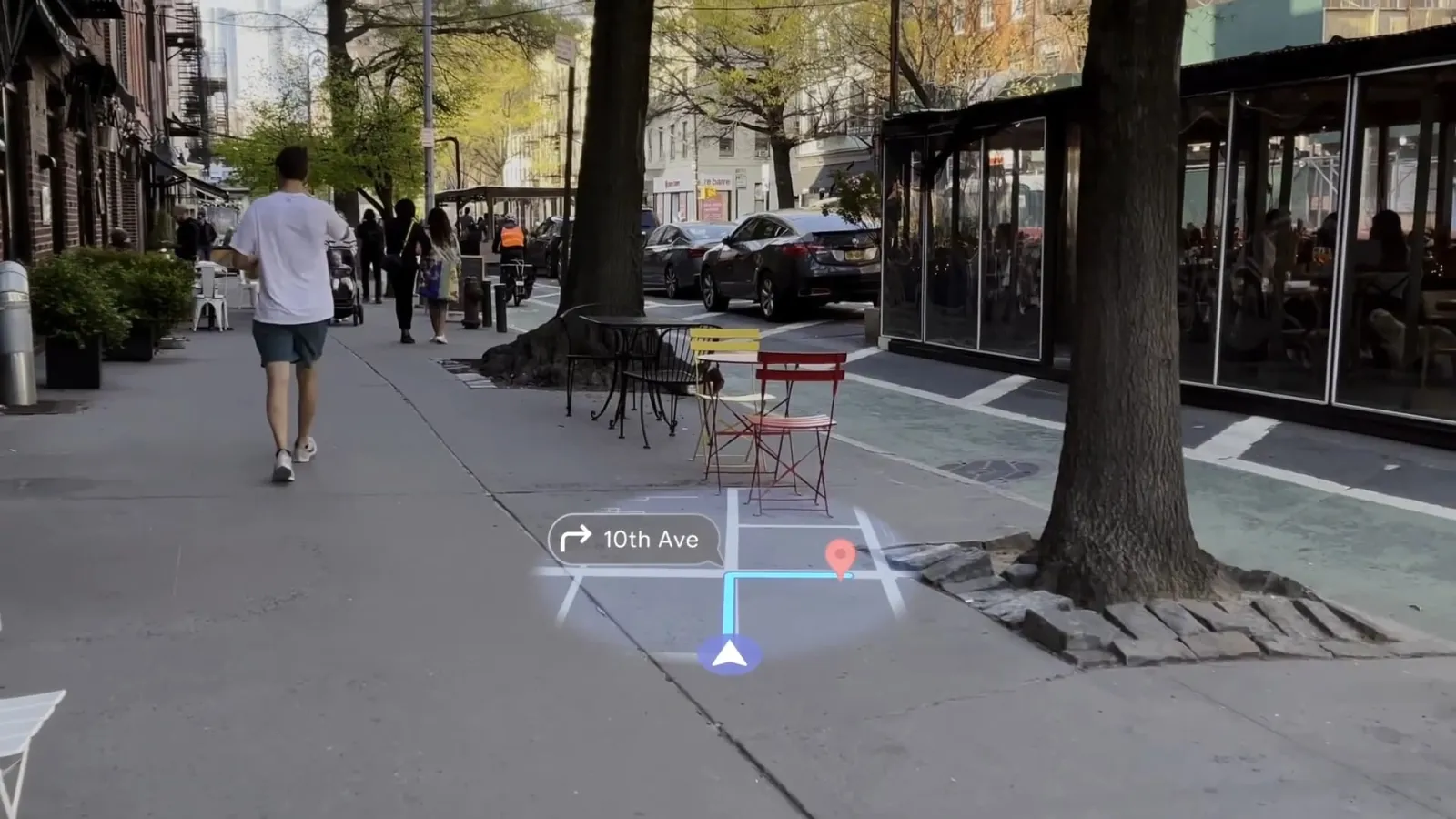
Not because the technology was fake.
Because ambient interaction only feels smooth under narrow behavioral conditions.
The demos consistently involved:
- cooperative users
- short conversational loops
- clean environments
- obvious intent
- minimal ambiguity
Real environments are messier.
People hesitate mid-sentence. Change goals halfway through. Forget what they asked. Reference things indirectly.
That’s where ambient systems become difficult.
Not at recognition.
At interpretation persistence.
The Interface Is Starting to Behave More Like a Social Actor
This is the deeper shift underneath XR assistants.
Traditional software behaves mechanically.
Ambient assistants increasingly behave relationally.
The system remembers previous interactions. Tracks continuity. Adjusts responses. Maintains conversational flow.
That creates subtle psychological effects.
Users stop perceiving the interface purely as software.
It starts feeling behaviorally present.
Even when the underlying mechanics remain probabilistic.
That tension becomes important because humans instinctively anthropomorphize continuity.
Especially conversational continuity.
Constant Awareness Creates New Privacy Geometry
Phones already collect enormous contextual information.
XR systems intensify this dramatically.
Because contextual understanding increasingly depends on:
- spatial mapping
- visual environments
- object recognition
- conversational history
- behavioral timing
- gaze direction
- environmental continuity
That’s not just data collection.
It’s behavioral modeling embedded into perception systems themselves.
And unlike traditional apps, ambient systems require constant passive intake to remain useful.
Which means: privacy boundaries become harder to visualize clearly.
Invisible systems create invisible uncertainty.
Android XR Revealed a Different Computing Direction Than Phones
Smartphones optimized around:
- app switching
- explicit interaction
- focused sessions
Ambient systems optimize around:
- continuity
- persistence
- interruption minimization
- contextual adaptation
That sounds subtle until you realize it changes the role of software entirely.
Apps become secondary.
Context becomes primary.
And once systems continuously interpret environments, the interface stops feeling like a destination.
It starts behaving like an invisible behavioral layer sitting beside reality itself.
I Don’t Think Google Was Really Showing Hardware
I think it was testing tolerance.
Tolerance for:
- persistent machine presence
- continuous contextual inference
- conversational overlays
- low-friction behavioral monitoring
Because ambient computing only succeeds if users stop noticing the mediation layer entirely.
That’s the paradox.
The more successful the system becomes, the less visible the interface becomes.
And historically, invisible systems tend to become psychologically influential long before society fully understands their effects.
That may end up being the real story behind Android XR.
Comments
More Blog
View allgemmaFive Gemma-4 models, one accelerator: what porting E2B 31B to AWS Inferentia2 taught me
I ported the whole Gemma-4 family — E2B, E4B, 12B, 31B, and the 26B-A4B MoE — to run on...
X
xbillcommunityHey DEV, I'm Tobore. Let's actually connect.
Hey DEV, I'm Tobore. Let's actually connect. I've been on here for a while now, mostly writing and...
L
Laurina AyarahaiI burned through thousands of AI tokens. Then a friend did it for free
(yep, kinda clickbait, just for the funsies 😊) At the beginning of the year, I relaunched my...
P
Paulo HenriqueaiClaude might be saturating your machine
My laptop was sitting idle with the fan at full tilt. Nothing was running that I knew of. The culprit...
S
Sidhant PandagithubactionsAutomated GitHub Code Reviews Using Google Gemini
I Built a Thing! TL;DR — Google Gemini-based Pull Request reviews and Issue Triaging for...
D
Darren "Dazbo" LesteraiWhat is an "agentic harness," actually?
I've been hearing the word "harness" thrown around a lot lately. I assumed it just meant "the IDE" or...
T
Tilde A. ThuriumReady-made automations for this
Workflows from the Neura Market marketplace related to this DeepSeek resource
- Compare Multi-Period Financial Data from Google Sheets with DeepSeek AI Analysisn8n · $14.99 · Related topic
- Automate Blog Content Creation with Notion MCP, DeepSeek AI, and WordPressn8n · $9.99 · Related topic
- Automate Altcoin News to LinkedIn Posts with DeepSeek AI and Google Sheetsn8n · $14.99 · Related topic
- Automate YouTube Video Optimization with Google Sheets and DeepSeek AIn8n · $9.99 · Related topic