PreprintCommunications of the ACM
ImageNet classification with deep convolutional neural networks
Alex Krizhevsky, Ilya Sutskever et al.
130k2017
0
Citations
0
Influential Citations
—
Venue
2024
Year
An open corpus of three trillion tokens designed to support language model pretraining research.
Large language models (LLMs) are increasingly central to AI, but their training data often remains proprietary or poorly documented. This lack of transparency hinders reproducibility and scientific progress. Dolma addresses this gap by releasing a 3 trillion token open corpus, along with a curation toolkit, enabling researchers to study the effects of data composition, quality, and scale on model behavior. The paper systematically documents design choices—from filtering to deduplication—and provides empirical evidence on how these choices affect downstream performance. For practitioners, Dolma offers a standardized foundation for pretraining experiments, reducing the guesswork in assembling large datasets.
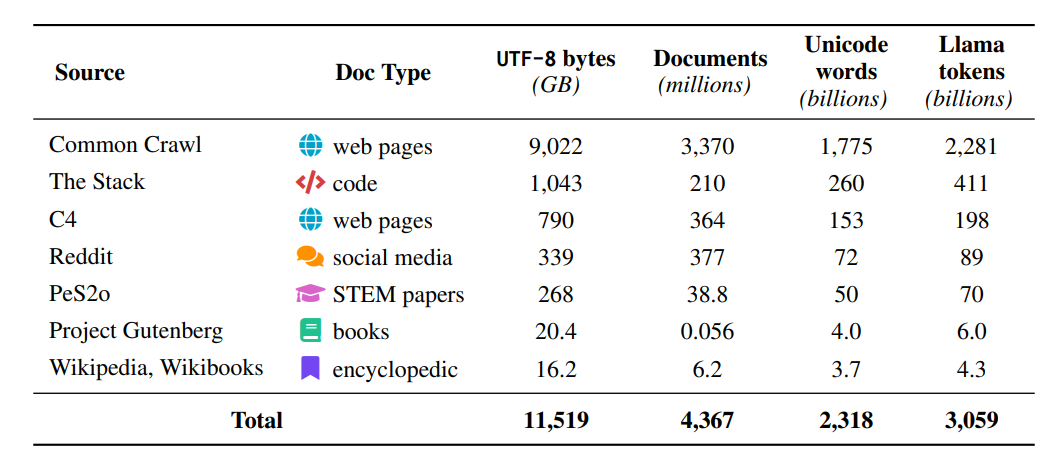
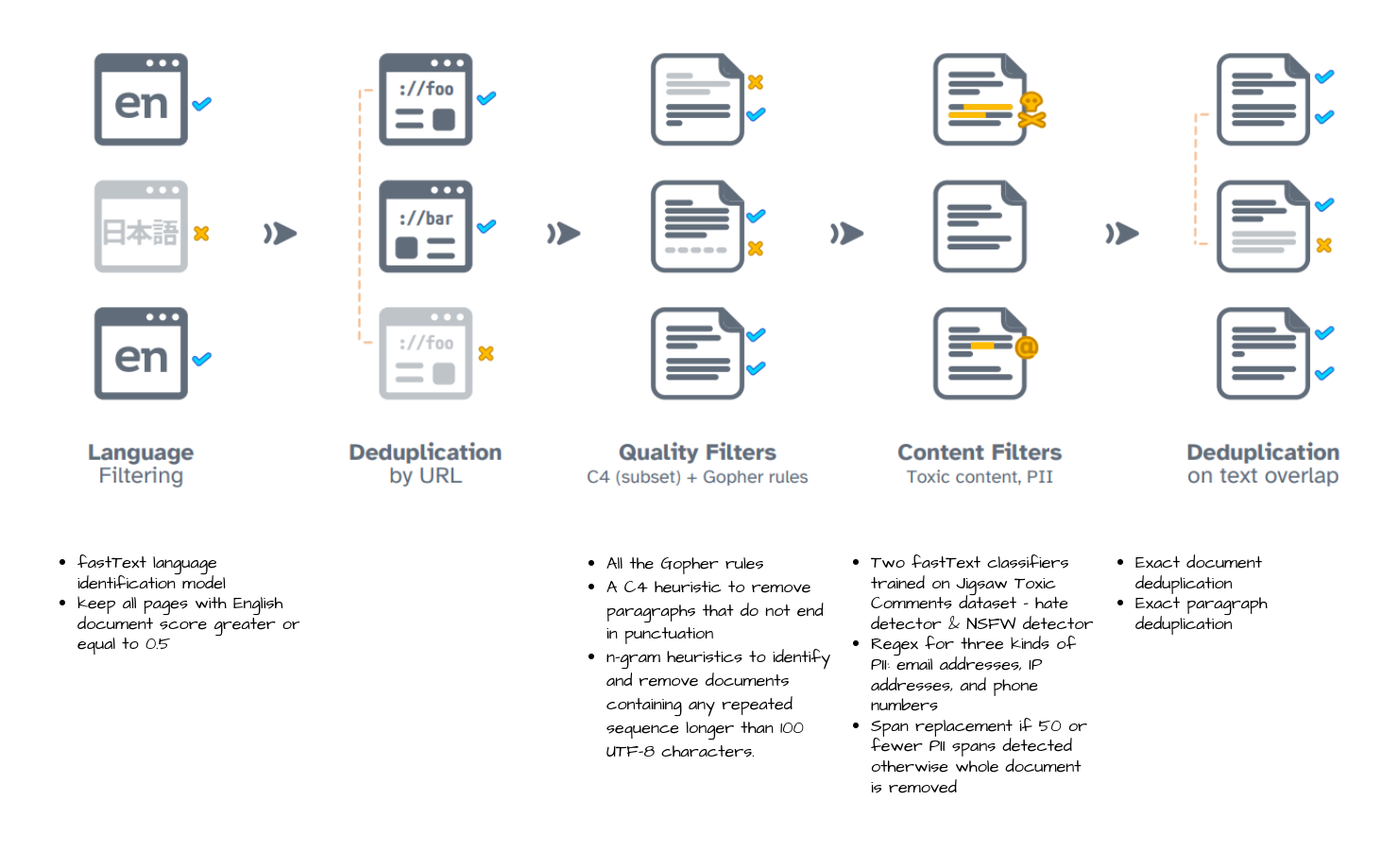
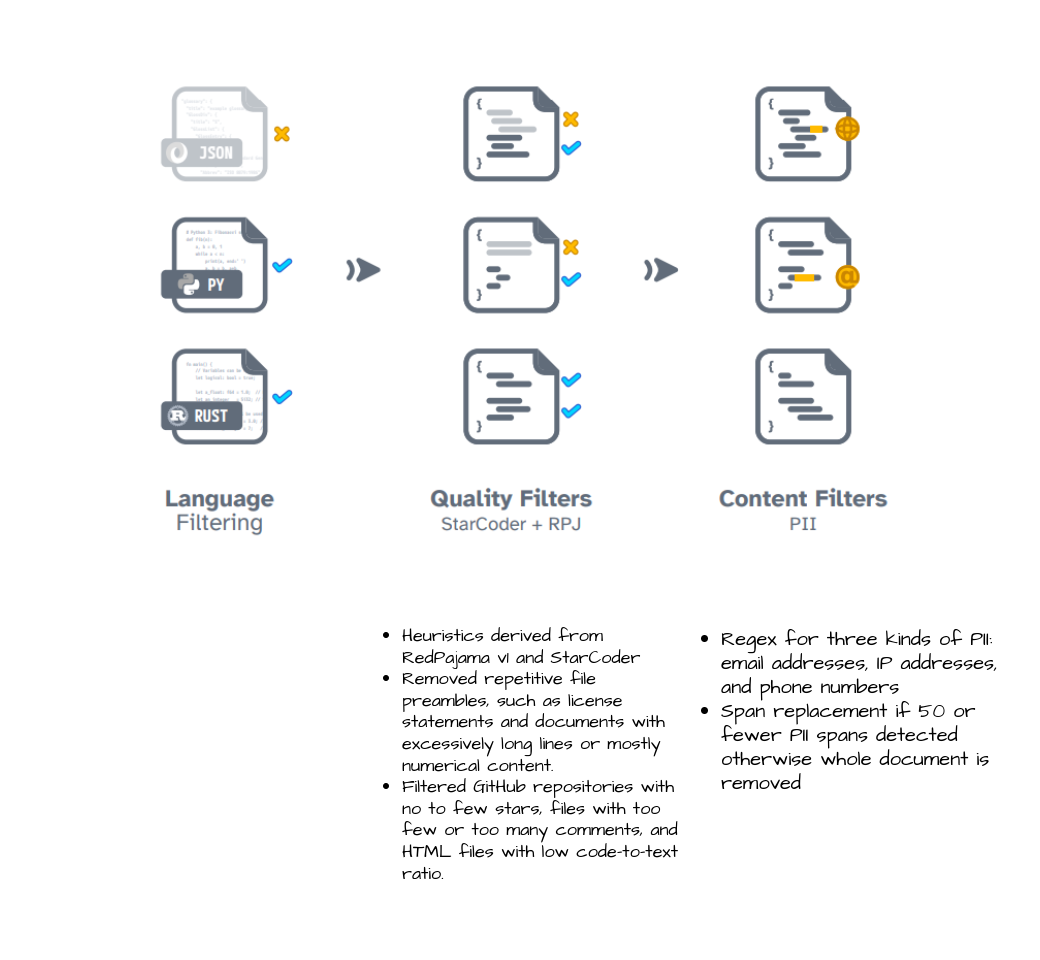
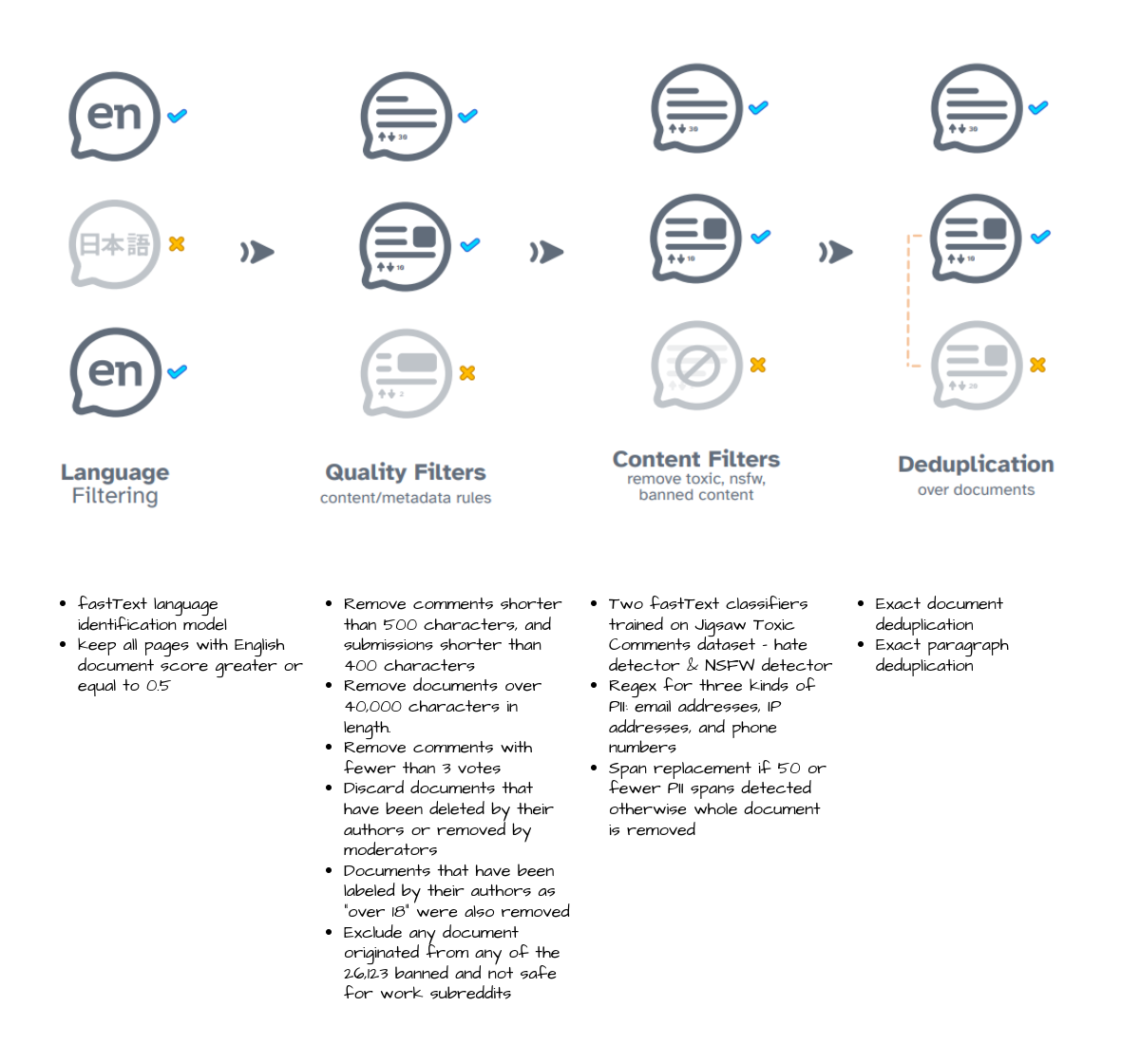
Dolma is assembled from seven sources: Common Crawl (web), The Stack (code), Pushshift Reddit (conversational forums), C4 (curated web), PeS2o (academic papers), Project Gutenberg (books), and Wikipedia/Wikibooks (encyclopedic content). The curation pipeline applies four transformations:
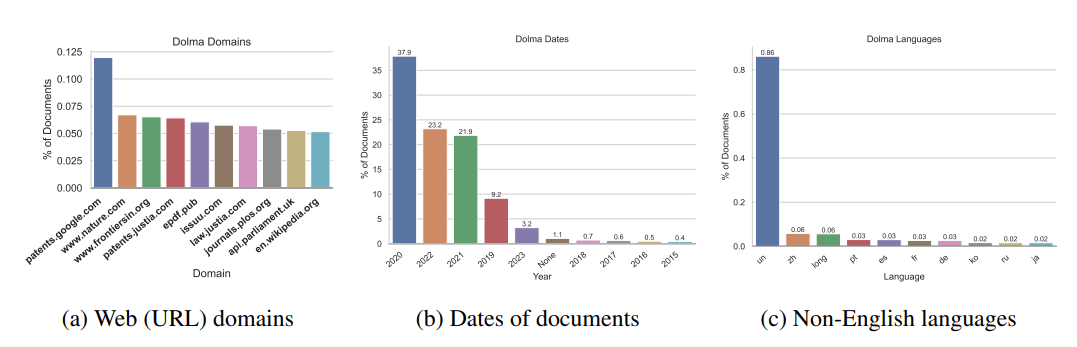
For the web subset, data is drawn from Common Crawl dumps between 2020–2022. The most common domains by token count are patents.google.com, nature.com, and frontiersin.org. 63.6% of web documents come from .com sites. The code subset comes from The Stack, and the conversational subset from Pushshift Reddit.
The paper evaluates decontamination and mixing strategies using 1B parameter models trained on subsets of Dolma. Key findings:
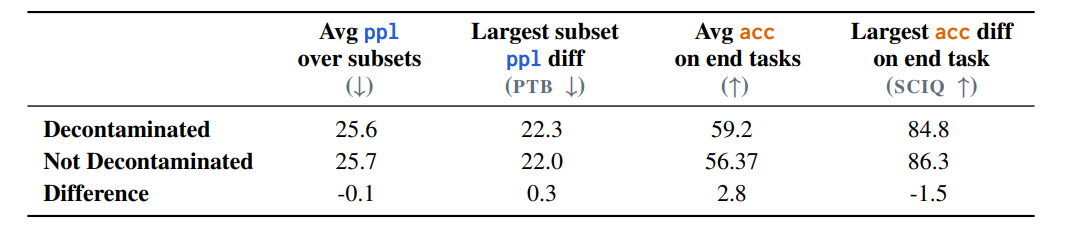
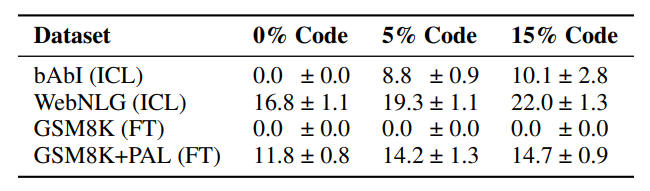
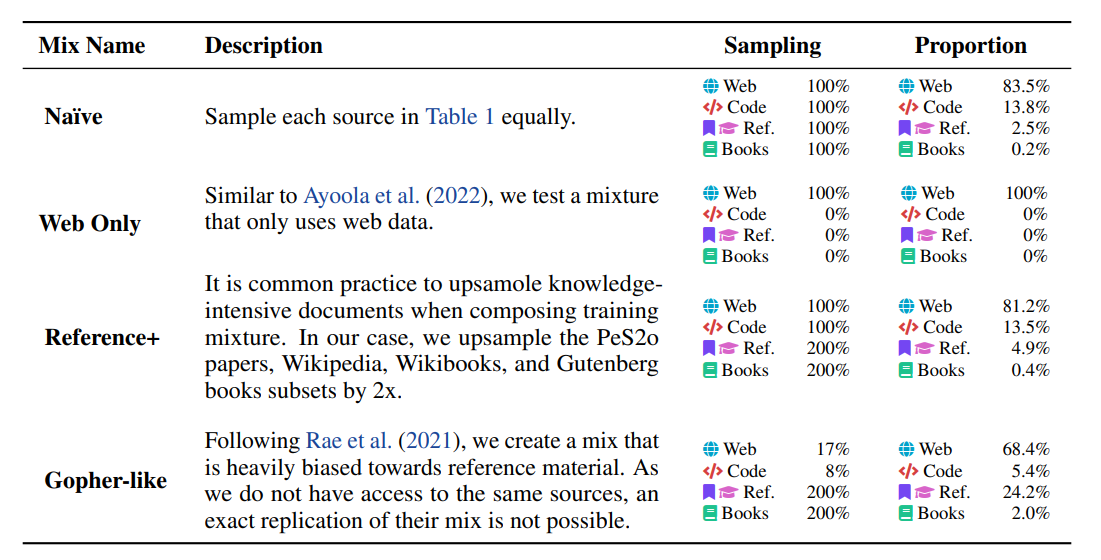
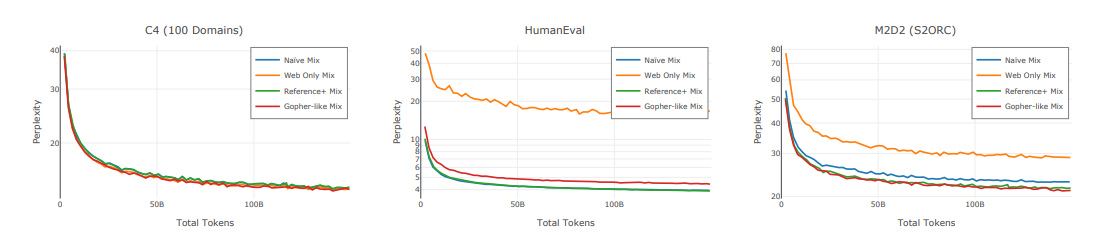
Dolma fills a critical gap in open LLM research by providing a large, well-documented corpus that enables fair comparisons across models and training recipes. The accompanying toolkit lowers the barrier for researchers to replicate and extend data curation pipelines. The empirical findings on decontamination and mixing offer practical guidance for practitioners: decontamination has negligible impact on performance, and including code benefits reasoning tasks. However, the English-only scope and imperfect language filtering limit its applicability to multilingual settings. Overall, Dolma sets a new standard for openness and reproducibility in pretraining data, likely influencing future dataset releases and model development.
Alex Krizhevsky, Ilya Sutskever et al.
Ashish Vaswani, Noam Shazeer et al.
Douglas M. Bates, Martin Mächler et al.
Diederik P. Kingma, Jimmy Ba